Old Navy pivots to dedicated activewear brand strategy with nationwide shop-in-shop rollout as Gap Inc seeks to capitalize on wellness trends


In a strategic shift aimed at segmenting its market presence, Gap Inc.-owned retail giant Old Navy is officially rebranding its successful activewear assortment under a distinct new identity: Old Navy Sport. The move, announced in mid-September 2026, marks a significant departure from the retailer’s historical approach of housing athletic apparel alongside its general casual wear inventory. By establishing a dedicated brand architecture, the company intends to capture a larger share of the burgeoning wellness market, a sector that has proven remarkably resilient even as other apparel categories have faced cyclical downturns.
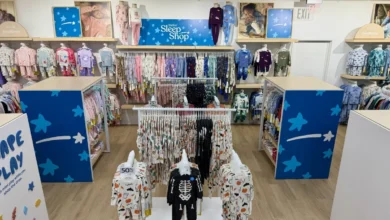
The rollout includes the launch of a comprehensive digital presence across the brand’s website and mobile application, complemented by a dedicated social media handle, @OldNavySport. Perhaps most notably, Old Navy is launching immersive, brick-and-mortar "shop-in-shops" in 42 locations across the United States. These dedicated spaces are designed to provide a more curated, premium shopping experience that separates high-performance athletic gear from the standard denim and graphic tee displays that have long defined the Old Navy shopping experience.
Strategic Rationale and Brand Performance
The decision to elevate the activewear category follows a period of uneven performance for the broader Gap Inc. portfolio. During the Goldman Sachs Global Consumer and Retail Conference held in September 2026, Gap Inc. CEO Richard Dickson underscored the necessity of doubling down on proven winners. While the company encountered headwinds earlier in the year due to lackluster sales of seasonal items—specifically casual summer dresses that failed to resonate with the target demographic—the activewear segment remained a pillar of stability.

"Our denim category, active category, kids and baby — these are the areas of strength for our brand," Dickson noted during his presentation. By isolating these high-performing assets, the company is signaling to investors that it intends to lean into its core competencies to drive the "back half" of the fiscal year. The transition to a "brand-within-a-brand" model is a classic retail tactic designed to foster stronger consumer loyalty. By creating a distinct name and aesthetic identity for Old Navy Sport, the retailer is attempting to shift the customer’s perception of the product from a budget-friendly commodity to a specialized athletic solution.
The Macroeconomic Context: The Wellness Boom
The pivot comes at a time when the broader activewear market is experiencing a complex transformation. While legacy players like Athleta and Lululemon have grappled with sales declines and shifting consumer preferences, market analysts suggest this is less a sign of a waning appetite for fitness gear and more a reflection of management challenges and heightened competition.
According to data from The Consumer Collective, consumer focus on personal health has surged, with 70% of respondents reporting that physical well-being is a higher priority now than it was just twelve months ago. This shift in sentiment is partially attributed to the widespread adoption of GLP-1 weight-loss medications, which have been linked to increased physical activity and a general desire for healthier lifestyle choices. Jessica Ramírez, co-founder and managing director of The Consumer Collective, points out that the consumer base is fundamentally more active than in previous years, citing the proliferation of running clubs, the rise of pickleball and other racket sports, and the continued popularity of cycling as primary drivers of demand for versatile athletic apparel.
Competitive Dynamics and Market Positioning
The activewear market has become increasingly saturated, with high-end boutiques and mass-market discounters competing for the same consumer wallet. Old Navy’s primary advantage remains its price-to-value ratio. By maintaining accessible price points while upgrading the brand identity, Old Navy is positioning itself to compete with the likes of Target’s private labels and Dick’s Sporting Goods’ popular "Calia" brand.

Historically, retailers that have successfully carved out a sub-brand identity for their athletic lines have seen improved conversion rates. The branding of a sub-category creates a "stronger affiliation for the consumer," according to industry observers. When a shopper can easily identify a specific section of a store as a "sport" department, it signals intent, legitimacy, and organization, which are critical factors in the decision-making process for consumers looking to upgrade their workout wardrobe without paying luxury premiums.
Industry Challenges: The "Self-Inflicted" Struggle
While Old Navy is leaning into growth, other industry giants are currently undergoing structural pivots. The recent hiring of Nike veterans—such as Maggie Gauger to lead the Athleta brand and Heidi O’Neill to drive the turnaround at Lululemon—highlights the industry-wide recognition that specialized leadership is required to navigate the current competitive landscape.
However, market experts are quick to dismiss the notion that the activewear "bubble" has burst. Instead, they argue that companies currently failing in the space are victims of their own strategic missteps. "The choice is there. The consumer is there because they are working out," Ramírez observed. "I do think the brands that are not doing well in the activewear space, it’s self-inflicted at this point."
For Old Navy, the challenge will be maintaining its reputation for affordability while successfully elevating the "Sport" brand to a level that feels competitive with more expensive alternatives. The 42 pilot locations for the shop-in-shops will serve as a crucial testing ground to determine if this branding exercise can effectively boost unit sales and increase the average transaction value.

Chronology of the Strategy
- Early 2026: Gap Inc. identifies activewear as a primary growth driver during internal reviews, while seasonal apparel underperforms.
- Q2 2026: Planning begins for the reorganization of the activewear department into a cohesive sub-brand.
- September 15, 2026: Gap Inc. CEO Richard Dickson publicly confirms the company’s commitment to core categories including activewear at the Goldman Sachs Global Consumer and Retail Conference.
- Late September 2026: Official launch of the Old Navy Sport brand, including the debut of a dedicated digital presence and the rollout of 42 physical shop-in-shops.
- Q4 2026 and Beyond: The retailer prepares to leverage the new brand identity as a centerpiece for its end-of-year marketing campaigns.
Future Implications for Retail Strategy
The launch of Old Navy Sport represents a broader trend in retail: the move toward hyper-specialization. In an era where consumers are bombarded with choices, generalist retailers are finding it increasingly difficult to compete unless they can offer a "curated" experience within their larger footprint. By creating a distinct sub-brand, Old Navy is essentially lowering the cognitive load on the consumer, making it easier for them to navigate the store and associate the product with a specific lifestyle.
Furthermore, the integration of an omni-channel approach—connecting the digital shop, the social media presence, and the physical shop-in-shops—is essential for capturing the Gen Z and Millennial cohorts who move fluidly between online research and in-store purchasing. If the 42-store pilot proves successful, it is highly probable that Gap Inc. will expand this concept to a larger percentage of its fleet, potentially setting a new standard for how mass-market apparel chains manage their activewear segments.
Ultimately, the success of Old Navy Sport will depend on the brand’s ability to remain authentic to its value-driven roots while convincing consumers that its "Sport" line is technically capable of supporting their evolving fitness needs. As the retail landscape continues to prioritize wellness and health-conscious consumerism, Old Navy’s pivot arrives at an opportune moment, providing the company with a clear, actionable strategy to reclaim market share from both high-end competitors and fellow mass-market retailers. Whether this move effectively translates into long-term margin growth remains to be seen, but for now, the initiative serves as a clear indicator of where the company believes the future of its business lies.